Trending

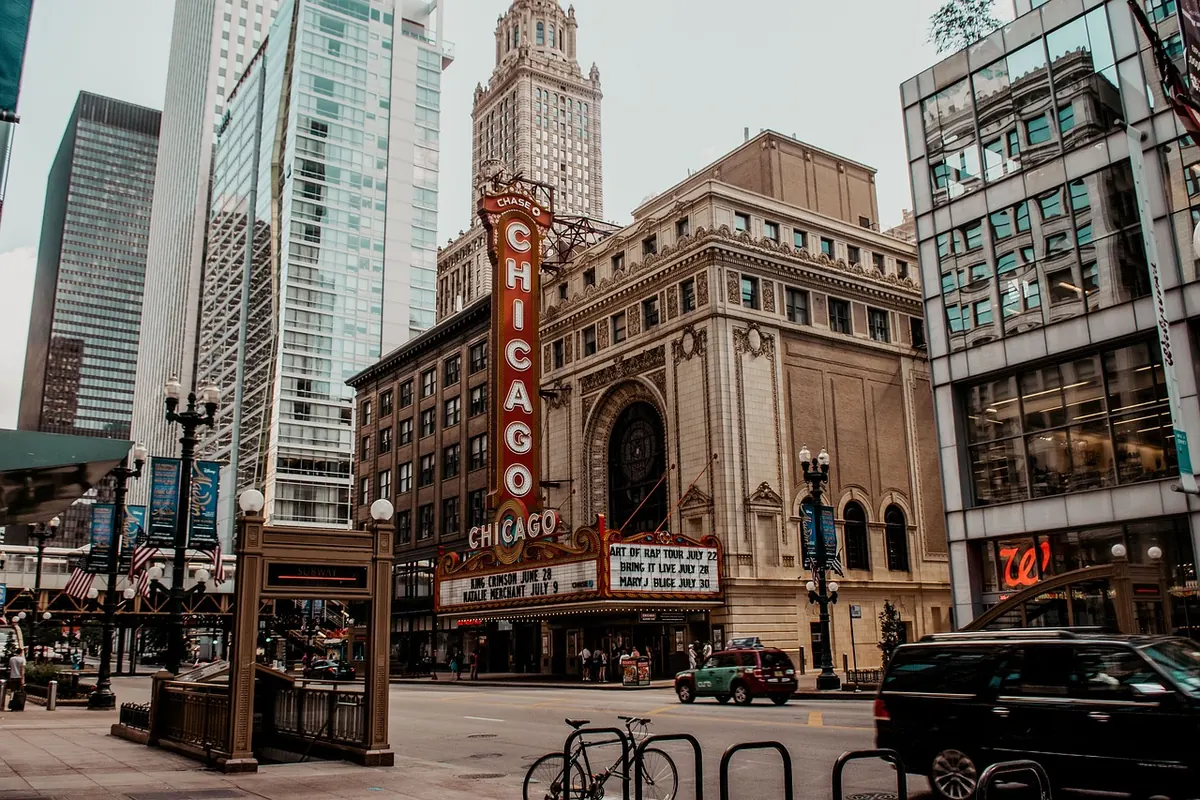
A ticket is a small promise: a seat, a view, a couple of hours somewhere else. Most of us check the price, the date and maybe the reviews, then hit buy. What we rarely check is how we will actually get to the seat, what the view is really like from row M, or whether the nearest accessible toilet is two floors up. Those details decide whether the night feels effortless or exhausting — and they are almost never on the booking page.
None of this requires a research project. It requires a short list of questions, asked early, ideally in writing. Here is what is worth checking before you pay.
Sightlines are the first thing to interrogate. A seat described as "restricted view" can mean anything from a slim safety rail across the corner of the stage to a structural column squarely in your line of sight. Ask what, precisely, obstructs the view, and from which side. Front-row seats are not automatically the best: you may spend the evening looking up at a steep angle, and on a raked stage you can miss anything happening upstage.
Then think about the body in the seat. Legroom, seat width, armrests that move or don't, and whether the seat is on an aisle all matter more than most audiences expect. So does the route from the aisle: a seat in the middle of a long row means climbing past a dozen pairs of knees in the dark, and again at the interval. If you need to leave quietly mid-show, an aisle seat near the back is often worth more than a better view further forward.
Balconies and boxes deserve a specific question, because they are frequently reached by stairs only. Ask whether the balcony has a lift, and whether that lift stops at the level where your seat actually is. A seat can be technically step-free and still involve a long corridor and two fire doors.
Access is a chain, and it breaks at the weakest link. The box office may have a step-free entrance, but is that the door that opens on the night you are going? Ask which entrance is in use for your performance, where it is, and whether staff will be there to open it. Ask about the distance from that door to the seat — not in metres, but in effort. Is there somewhere to pause? Is the route carpeted, sloping, or cobbled outside?
Lifts are worth a follow-up: how big, how close to the auditorium, and what happens if one is out of order. Older venues have charming staircases and inconvenient alternatives. If you use a wheelchair, a walking aid, or simply cannot manage stairs on a bad day, say so directly when you book and ask them to note it on the reservation.
Arrival time is part of access, too. Getting in before the crowd usually means a calmer route, more time at the cloakroom, and staff who are not managing forty people at once. Many venues will open doors earlier if you ask.
An accessible toilet is not a detail; it can be the reason someone books or stays home. Ask how many there are, where they are relative to your seat, and whether they require a key. Ask about toilets on the same level as the auditorium, because an accessible cubicle three floors away is not much help during a fifteen-minute interval.
Other questions worth raising:
Phone calls are fine, but email gives you something to check later and often reaches someone who knows the building properly. A message like this tends to get a useful answer:
If you have a specific health condition, it is worth checking the practical details with your own clinician as well as the venue — nobody at the box office can assess what will suit you.
Ask about running time and the length of the interval; a two-hour-forty-minute evening with one twenty-minute break is a different proposition from a ninety-minute show with no interval. Ask whether the auditorium is air-conditioned or heated, and whether the seats are firm benches, padded stalls or something in between.
Sound matters as much as sight. If someone in your party is sensitive to volume, ask whether the production is amplified and where the speakers sit. Strobe lighting, gunshots, haze and herbal smoke are common in theatre and opera, and front-of-house staff usually know which scenes contain them. Tell them what you need to avoid; they would far rather warn you than have you leave halfway through.
Online seat maps are useful for orientation and unreliable for detail. They rarely show a pillar, a step, or the fact that a row is reached only by a side staircase. If your needs are specific, book by phone or email and ask for confirmation of what has been agreed. Keep the name of the person you spoke to.
Ask how companion or assistant tickets are arranged — policies differ between venues, so general assumptions are unhelpful. Ask, too, about exchanges and refunds in case the plan changes, and be wary of buying accessible seats through unofficial resale sites, where the seating information is often simply wrong.
Before you pay, confirm five things in one message: the entrance, the route to the seat, the view from the seat, the nearest accessible toilet, and who to ask for on arrival. Note the running time and any sensory warnings. Save the confirmation email and the phone number for the box office, not just the ticket link.
Then arrive a little early, introduce yourself to the front-of-house team, and let them do their job. A well-asked question before booking is usually the difference between an evening spent managing the building and an evening spent watching the play. The show deserves your attention; the seat should not have to compete for it.
Photo: juergen-polle / Pixabay