Trending

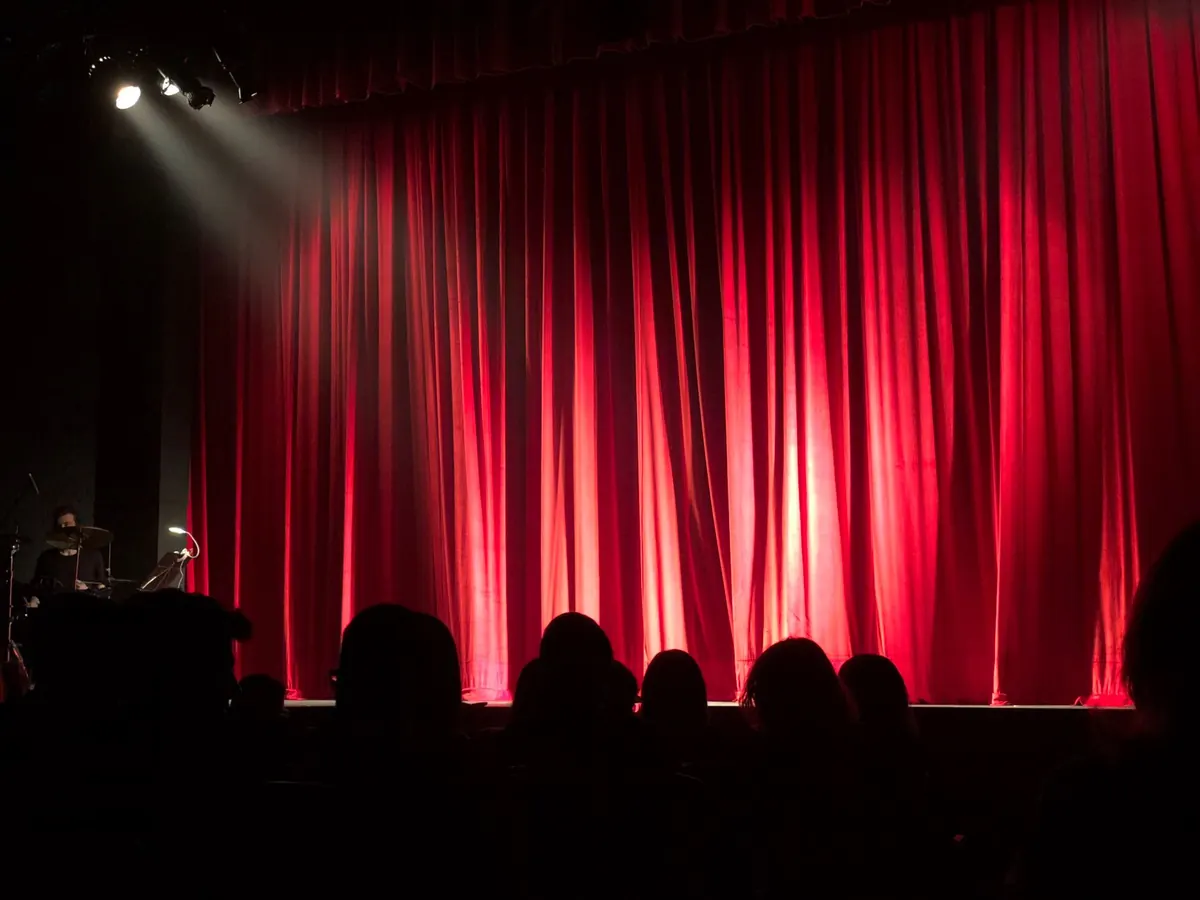
The lights go down and the room settles. In one theater the first sound is an orchestra tuning; in another it is a single actor walking to a bare chair. Both evenings begin the same way, with a group of strangers agreeing to pay attention for a couple of hours, but from that first moment the two forms ask different things of you. If you are new to theater, knowing which one you have booked removes most of the guesswork, and a good deal of the anxiety, from the night.
In a straight play, the story is carried by language, behavior, and silence. Two people sit across a kitchen table, and the drama lives in what they refuse to say out loud. A play can hold an audience for ninety minutes with almost no music at all, because the writing and the acting are doing the whole job. When something enormous happens in a play, the characters usually get quieter, not louder.
In a musical, the story is carried by dialogue and song together. The songs are not interruptions in the action; they are the moments when the action can no longer continue as speech. A character who has been deflecting for a full scene finally admits the truth, and the admission arrives as a melody because plain talking would flatten it. That is the logic of the form, and it holds whether the show has long spoken scenes between numbers or is sung through from the first bar to the last.
A musical generally has three authors: a book writer for the spoken scenes, a composer for the music, and a lyricist for the words that get sung. One person sometimes does two or three of those jobs, but the divisions matter, because a musical can be strong in one area and shaky in another. A show with a thrilling score and a thin book will feel like a concert with errands in between. A show with a sharp book and forgettable songs will feel like a play that keeps getting interrupted.
Rehearsal reflects those parts. Musical companies split time between music calls, dance calls, and staging, then add an orchestra, a sound designer, and a battery of body microphones in the final weeks. A straight play tends to spend its early days around a table, reading the text, arguing about what the characters want, and mapping the geography of the stage. Both processes end in the same place, but they arrive by different roads.
Musicals usually run longer, often with one intermission, because each act has to make room for both scenes and songs. Plays are often tighter, sometimes eighty minutes with no break at all. Check the running time before you book a midweek ticket; a two-hour-forty-minute musical starting at 7:30 is a different proposition from a ninety-minute play.
The demands are not the same. A musical performer may have to hold a note while walking down a staircase, keep a harmony intact while being lifted, and change costumes in under a minute without losing the thread of the scene. Stamina matters. So does the ability to stay in the same key as an orchestra you can hear but cannot see, and to make a lyric land in a room where the last row is forty meters away.
A play performer works with a different set of muscles. There is no musical cue to lean on, no applause to reset the room. The actor has to sustain an arc across two hours with nothing but voice, body, and attention, and has to make a long monologue feel like a thought being formed in real time rather than a speech being delivered. Stillness becomes a skill. So does the timing of a single line delivered half a beat later than the audience expects.
In a musical, listen to the lyrics. They carry plot information, jokes, and character reveals, and a song you tune out during can hide the twist that the second act depends on. Watch the ensemble as well as the leads; a good chorus is telling a story with its faces while the principal sings.
In a play, listen to the rhythm of the dialogue and watch what people do with their hands. Playwrights build in pauses that are meant to be felt, and directors stage behavior that contradicts what characters claim. If a scene feels slow, ask what the characters are avoiding; usually the answer is the point of the scene.
Some of this is etiquette, some is simply useful. None of it requires special knowledge.
Decide what you want the evening to do before you look at the listings. If you want scale, color, and a tune you will hum on the way home, book a musical. If you want intimacy, argument, and the particular tension of two actors in a small room, book a play. Neither is the more serious choice; they are simply different pleasures.
Then do three practical things. Read a short synopsis so you are not spending the first twenty minutes working out who is related to whom. Check the content advisories, which most theater websites now publish, and check the number of acts. Finally, think about seats: for a musical, sitting a little further back lets you see the full stage picture and hear the orchestra as a balanced whole; for a play, sitting closer helps with quiet voices and small expressions. If you wear glasses for distance, bring them.
Arrive early enough to find your seat, read the program, and settle. Skip the plot summary past the first act if you want to be surprised. At intermission, talk about what you have seen rather than checking your phone. Afterwards, give the evening a few minutes before you decide what you thought of it; musicals often land in the memory a day later, and plays that felt slow can turn out to have been building something.
The best way to learn the difference between the two forms is not to read about them but to see one of each within the same season. Book the musical you have been curious about, then book a play with a cast you trust. Two nights out will teach you more about what you like than any amount of browsing, and you will walk into the second one already knowing when to clap.
Photo: Monica Silvestre / Pexels