Trending


The house is open, the stage looks finished, and somebody is still looking for a shoe. Opening night has a way of compressing time: the dress rehearsals blur, the technical notes multiply, and suddenly the audience is filing in while half a dozen small questions are still unanswered. Almost none of them are dramatic. A prop is two feet from its spike. A follow spot operator hasn't heard a standby. The box office is holding twelve latecomers and nobody has told the ushers.
This is the work that doesn't get applause, and it's the work that decides whether the first act feels effortless or faintly anxious. What follows is the list worth running before every performance, and especially before a first one — not as a bureaucratic ritual, but as a way of noticing what changed since last night.
Start with the paper, because the paper is where the changes live. A stage manager's pre-show begins at the desk, not onstage.
Confirm the running order. Opening night is exactly when a director, conductor, or producer decides to move an interval, cut a curtain call, or add a post-show announcement. Compare the version in your hand with the version that was actually agreed. If there's any doubt, ask the person who can say yes — and write down what they said, with a time.
Check your cue book is marked and legible. Standbys and cue calls need to be readable in a dark booth at a glance, not deciphered. If you've added cues in pencil during tech, rewrite them now, while you have light and time. Highlight anything that changed this week.
Know who is actually performing tonight. Understudies, swings, covers, a dep in the pit, a dresser out sick, a new follow spot operator. Then go one step further: confirm that the people covering know what they're covering, and that wardrobe and sound have been told. A five-minute conversation backstage at 6:45 prevents a very long evening.
The stage you blocked on Monday is not necessarily the stage you have tonight. Something has been added, moved, tightened, or removed, and the floor will tell you if you look.
Walk the set. Check spikes against the set as it stands, including the ones you rarely use. Look at sightlines from the worst seats in the house, not the best. Open and close every door that an actor has to open and close, and listen to it. Check that nothing on the set is wobbling, rattling, or newly sharp.
Run the prop table. Walk it in order of the show, not in order of the table. Presets, consumables, and perishables are the usual culprits: the letter that gets torn, the drink that gets poured, the cigarette that gets smoked, the food that was fine yesterday.
Check the quick changes and preset areas. Costumes laid in order, mic belts and packs paired with the right actor, spare tights and shirt buttons within reach. If a dresser is new tonight, walk the change with them once, slowly.
Safety checks are quick when they're routine and catastrophic when they're skipped. Do them in the same order every night so that a missing step is noticeable.
Clear the routes. Exits, aisles, crossover, and the path from the wings to the stage door. A costume rail parked in a fire exit is not a small problem. Confirm that fire doors open, that nothing is propped, and that the evacuation route is the one you'd actually use with a full house in the dark.
Deal with the technical hazards. Cables taped or matted, ladders and rails secure, flying pieces locked off where they should be, any smoke, haze, or pyro effect set at the agreed level and operated by someone who has done it before. If the production uses a naked flame or a live effect, confirm the person responsible is present and has signed off before the house opens.
Agree the access plan. Latecomers, wheelchairs, anyone who needs to leave mid-show, anyone in the front row who might need assistance. Front of house should already have this; your job is to confirm it and to know who to call if it changes at 7:28.
A cue is only as reliable as the channel it travels down. Before the half, run a full check of every position: backstage, fly floor, follow spots, sound, lighting, wardrobe, and front of house. Ask for a spoken reply from each — a click or a thumbs up across a dark stage doesn't confirm that anyone heard you.
Call standbys properly and wait for an answer. "Standby lighting cue forty-two" is a question, not an announcement. Give the department time to respond, and don't move on until they have. On opening night, add a short personal word to the people whose cues are riskiest — a follow spot pickup, a trap, a fight call — because it settles them.
Agree the sequence out loud. The pre-show call, the "places" call, the house-to-half, the front-of-house announcement, the go. Same words, same order, every night. When the sequence is identical, changes stand out; when it drifts, everyone starts guessing.
Sync with the box office. House-open time, the count so far, any holds, any group bookings, any accessibility requests. Confirm who is making the decision to hold the start and how they'll reach you — comms, phone, or a runner at the stage door. Decide now, not at 7:31.
Confirm the announcements. Who is speaking, from where, and with what wording: phones, photography, recording, the location of the first-aid point, the length of the interval, and whether there's anything after the curtain call. Read it once into the mic if you can. An announcement that's fumbled sets a tone nobody wants.
Set yourself up. Get to the desk early enough to be bored for two minutes. Log the actual start time, note the running time you expect, and know exactly who you call if a cue goes wrong, a performer is injured, or the show has to stop. Then put your phone away and give the performance your full attention — that is the job.
A checklist that lives in a drawer is decoration. Keep it in the front of the prompt book, edit it after every performance, and write down what nearly went wrong while it's still fresh. The prop that was almost missing on Thursday becomes a line on the list by Friday. Hand a copy to the assistant stage manager and to whoever covers for you, so the routine survives your night off. And if the show runs for months, revisit the list when the cast changes, when the set gets repaired, and when everyone has become a little too relaxed. That's when a five-minute walk of the stage earns its keep.
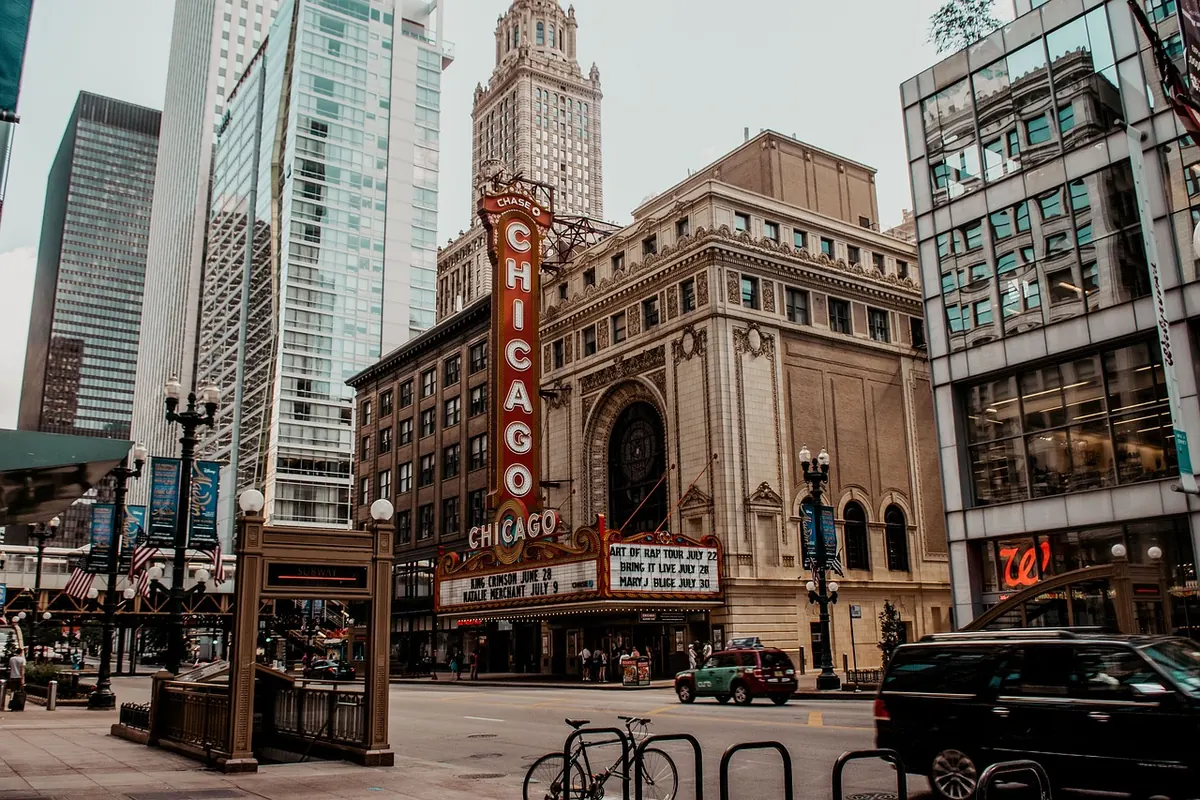
Photo: phmaxiestevez / Pixabay